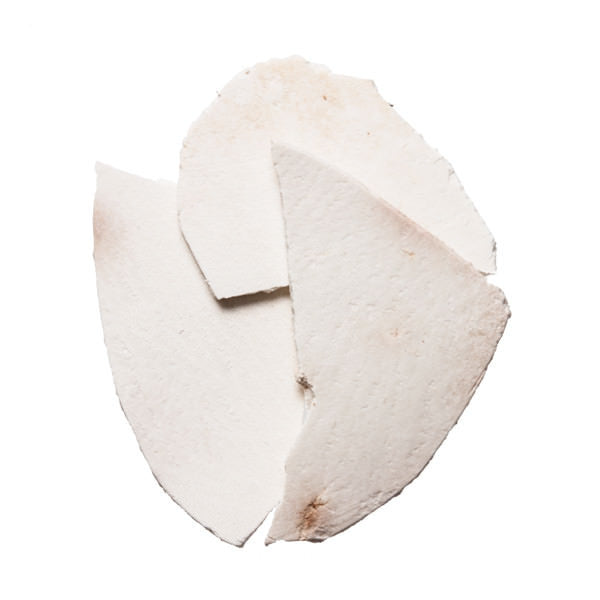
Fu Ling (Poria) – Poria cocos
Fu Ling (Poria cocos), also known as Poria or Hoelen, is a traditional herb used in Traditional Chinese Medicine (TCM). For centuries, it has been valued for its ability to promote fluid balance, support the Spleen, and calm the spirit, helping restore balance when patterns of dampness and fluid accumulation arise in the body.
In classical Chinese herbal medicine, Fu Ling is commonly included in formulas designed to drain dampness, support digestion, and promote harmony within the middle burner.
At Plum Dragon Herbs, we offer carefully sourced premium Fu Ling bulk herb selected for quality, potency, and traditional authenticity.
Our herbs are ideal for:
• Herbal practitioners
• Custom herbal formulas
• Decoctions and teas
• Practitioner herb packs
Learn More About This Herb
Want to explore the traditional classification, channels, and historical use of this herb in greater depth?
👉 Fu Ling Herb Guide
Traditional Uses of Fu Ling in Chinese Medicine
In Traditional Chinese Medicine, Fu Ling is classified as a Dampness-Draining Herb. Traditionally, it is used to:
• Promote urination and drain dampness
• Support Spleen function
• Assist with fluid metabolism
• Calm the spirit (Shen)
• Support balance in dampness-related patterns
In classical herbal theory, Fu Ling enters the Heart, Spleen, Lung, and Kidney channels, where it helps restore balance when dampness and fluid accumulation disrupt normal physiological function.
Because of these properties, Fu Ling is widely used in traditional herbal formulas addressing digestion, fluid balance, and overall harmony.
Herbs Often Used With Fu Ling
Fu Ling is frequently combined with other herbs in traditional Chinese formulas, including:
• Bai Zhu – strengthens the Spleen and helps transform dampness
• Ze Xie – promotes urination and drains excess fluids
• Zhu Ling – supports fluid metabolism and water pathways
• Gui Zhi – warms and supports circulation of yang
These herbs are commonly used together in formulas that support fluid regulation and digestive balance.
Modern Research on Poria cocos
Modern research has identified important compounds in Poria cocos, including polysaccharides and triterpenes, which have been studied for their antioxidant and immune-supportive activity.
Scientific interest in this herb has explored potential roles in supporting:
• Healthy fluid balance
• Digestive system function
• Immune system support
• Protection against oxidative stress
While research continues, this herb remains primarily valued within the framework of Traditional Chinese Medicine.
Premium Quality Fu Ling
High-quality Fu Ling should display several identifiable characteristics:
• White to off-white interior
• Firm, lightweight, and porous texture
• Clean, dry cut pieces
• Mild, slightly sweet and bland taste
At Plum Dragon Herbs, our herbs are carefully selected and properly processed to preserve their traditional qualities.
Origin and Harvesting
Poria cocos is a fungus that grows on the roots of pine trees, primarily in China and other parts of East Asia. The medicinal portion used in Chinese herbal medicine is the sclerotium (fungal body).
Traditionally:
• It is cultivated on pine roots
• Harvested after full development
• Cleaned and cut
• Dried for herbal use
How Fu Ling is Traditionally Used
Fu Ling may be prepared in several traditional ways.
Herbal Tea
Use 3–6 grams of the herb and steep in hot water for 10–15 minutes.
Decoction
Simmer 9–15 grams in approximately 500 ml of water for 30 minutes.
Herbal Formulas
Fu Ling is widely used in traditional Chinese herbal formulas.
Always consult a qualified healthcare practitioner for dosage and individualized guidance.
Popular Recipe for Fu Ling
Fu Ling is commonly used in traditional Chinese medicine (TCM) rather than Chinese cuisine, so there are not many recipes that include Fu Ling. However, one popular recipe that includes Fu Ling is "Fu Ling and Chicken Soup", which is a traditional Chinese soup that is believed to have a nourishing and tonifying effect on the body.
Ingredients:
- 1 lb of chicken (bone-in or boneless)
- 1/4 cup of dried Fu Ling (Poria)
- 2 cups of vegetables (such as carrots, onions, and mushrooms)
- 2 cloves of garlic, minced
- 2 tbsp of oil
- Salt and pepper to taste
- Water or broth to cover the ingredients
Instructions:
- Soak the dried Fu Ling in water for at least 30 minutes or up to 2 hours.
- Drain the Fu Ling and rinse them.
- Cut the vegetables into small pieces.
- In a pot, heat the oil over medium-high heat.
- Add the minced garlic and stir fry until fragrant.
- Add the chicken to the pot and stir fry until it is browned.
- Add the sliced Fu Ling to the pot and stir fry for 1-2 minutes.
- Add the vegetables to the pot and stir fry for another 2-3 minutes.
- Add enough water or broth to cover the ingredients.
- Bring the soup to a boil, then reduce the heat to low and let it simmer for 30-40 minutes or until the chicken is cooked through and the vegetables are tender.
- Season the soup with salt and pepper to taste.
Safety and Precautions
This herb should be used appropriately according to individual constitution.
Use caution if:
• Pregnant or breastfeeding
• Taking prescription medications
• Experiencing significant dryness or fluid deficiency
• Using without professional guidance
Consult a qualified healthcare practitioner before using herbal products.
Additional Information
Botanical Name: Poria cocos
Common Names: Fu Ling, Poria, Hoelen, Tuckahoe, Indian Bread
Flavor: Sweet, bland
Temperature: Neutral
Channels Entered:
• Heart
• Spleen
• Lung
• Kidney
Contraindications:
Use caution in cases of yin deficiency or dryness without dampness. Traditional use should be guided by constitution and formula context.
Why Choose Plum Dragon Herbs?
At Plum Dragon Herbs, we specialize in authentic Chinese medicinal herbs sourced for quality and potency. Our herbs are selected and processed according to traditional standards to support the needs of practitioners, herbalists, martial artists, and enthusiasts alike.
Experience the tradition and quality of authentic Chinese herbs from Plum Dragon Herbs.
Important Disclaimer
The information provided on this page reflects traditional herbal knowledge and historical use within Chinese medicine and is intended for educational purposes only.
Plum Dragon Herbs products are raw botanical materials and are not intended to diagnose, treat, cure, or prevent any disease.
Statements on this website have not been evaluated by the Food and Drug Administration (FDA).
Always consult a qualified healthcare professional before using herbal products, particularly if you are pregnant, nursing, taking medications, or have a medical condition.
High Quality Fu Ling: What does it look like?